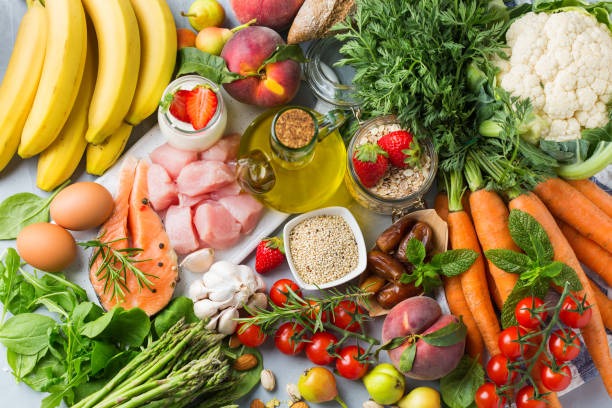
Adopting simple meal preparation strategies can significantly improve the quality of your diet without overwhelming your daily routine. By focusing on practical, manageable steps, it becomes easier to maintain healthier eating habits over time. One effective approach is dedicating a specific time each week to plan and prepare meals in advance. This not only reduces the temptation to opt for processed or fast foods but also ensures that nutritious options are readily available when hunger strikes.
Starting with basic ingredients that are versatile and nutrient-dense can simplify the process. Whole grains, lean proteins, fresh vegetables, and legumes form a solid foundation for balanced meals. Preparing these components in bulk allows you to mix and match throughout the week, creating variety without extra effort. For instance, cooking a batch of quinoa or brown rice and roasting an assortment of vegetables provides multiple meal bases that can be combined with different sauces or spices to keep flavors interesting.
Incorporating seasonal produce into your shopping list not only enhances the nutritional value of your meals but also supports local agriculture and reduces costs. Seasonal fruits and vegetables tend to be fresher and more flavorful, encouraging greater consumption of plant-based foods. When washing and chopping these items right after shopping, you save time during busy weekdays and make it easier to assemble quick salads or stir-fries.
Another key strategy is using simple cooking methods that preserve nutrients while requiring minimal preparation. Steaming, grilling, or sautéing with healthy fats like olive oil can maintain food quality without adding excessive calories. Avoiding complex recipes with long ingredient lists helps prevent discouragement and keeps cooking enjoyable rather than a chore. The goal is to create meals that are not only nutritious but also sustainable in the long run.
Investing in quality storage containers is equally important. Properly storing prepped ingredients or full meals extends their freshness and minimizes food waste. Clear containers allow you to easily identify contents, making it less likely for prepared food to be forgotten at the back of the fridge. Portioning meals into individual servings can help control calorie intake and make reheating more convenient.
For those seeking additional guidance on effective meal preparation techniques, resources like learnmuscles.com provide valuable insights tailored to improving dietary habits through practical cooking advice. These platforms often offer recipes, shopping tips, and nutritional information designed to support a healthier lifestyle without unnecessary complexity.
By integrating these straightforward strategies into your routine, healthier eating becomes more accessible and less time-consuming. Consistency in meal preparation fosters better food choices and contributes to overall well-being without requiring drastic changes or elaborate culinary skills.