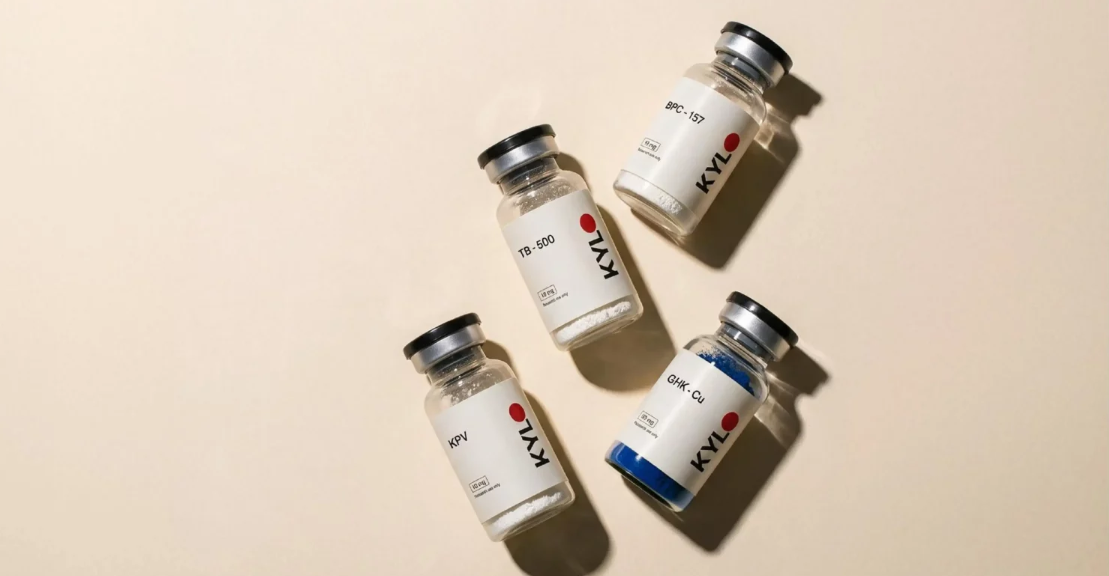
When it comes to laboratory research, the quality and reliability of materials are paramount. Peptides, short chains of amino acids linked by peptide bonds, play a crucial role in various scientific studies due to their versatility and function in biological processes. Therefore, finding the best place to purchase peptides for laboratory research is essential for ensuring experimental success and validity.
The first step in sourcing peptides is understanding your specific research needs. Different experiments require different types of peptides—ranging from custom sequences tailored for particular studies to standardized catalog peptides used in general applications. Knowing precisely what you need will streamline the purchasing process and help identify suppliers that can meet those requirements.
Once you have a clear understanding of your needs, it’s vital to evaluate potential suppliers based on several key factors. Quality assurance is at the forefront; reputable suppliers should adhere to stringent quality control standards such as ISO certification or Good Manufacturing Practices (GMP). These standards ensure that the peptides are synthesized correctly and free from contaminants that could compromise your research results.
Another critical consideration is the supplier’s reputation within the scientific community. Peer recommendations and reviews can provide valuable insights into a company’s reliability and product quality. Engaging with fellow researchers through forums or professional networks can yield firsthand accounts of experiences with specific peptide vendors.
Price is an inevitable factor when choosing where to buy peptides, but it should not be the sole determinant. While budget constraints are real, opting for significantly cheaper options might lead to subpar products that could ultimately cost more time and resources if they fail during experimentation. It’s often worth investing slightly more upfront in high-quality peptides from a trusted source than risking setbacks with inferior alternatives.
Customer service also plays an integral role in selecting a supplier. A company that offers responsive support can be invaluable when questions arise about product specifications or order logistics. This level of service ensures smooth transactions and quick resolutions if any issues occur post-purchase.
Additionally, consider logistical aspects like shipping times and costs, especially if your research timeline is tight or requires international shipments. Some companies offer expedited services which could be beneficial depending on project deadlines.
Finally, transparency regarding synthesis methods and detailed product information such as purity levels should be readily available from any credible supplier. Access to this data allows researchers to make informed decisions aligning with their experimental protocols.
In conclusion, finding the best place to buy peptides for laboratory research involves thorough evaluation beyond just price comparison—it requires assessing quality assurance practices, reputation among peers, customer service excellence, logistical considerations, and transparency regarding product details. By carefully considering these factors alongside specific research needs, scientists can procure reliable materials conducive to achieving accurate and meaningful results in their work.