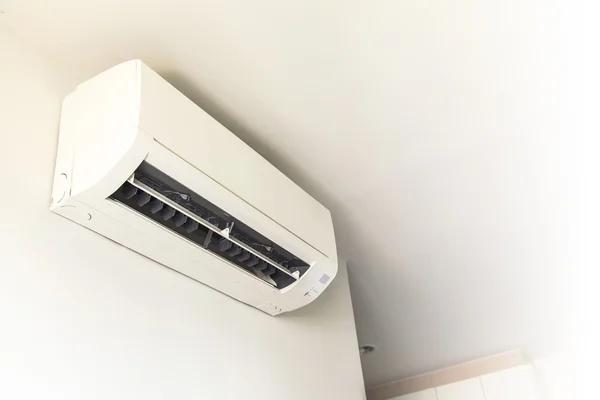
An HVAC line set is a critical component that directly impacts the efficiency and reliability of heating and cooling systems in residential and commercial buildings. This specialized piping connects the outdoor condenser or heat pump unit to the indoor evaporator coil, facilitating the transfer of refrigerant necessary for temperature regulation. By enabling the movement of refrigerant between these two essential parts of the HVAC system, the line set ensures that the system can effectively absorb heat from inside the building during cooling or release heat during heating.
The construction of a typical HVAC line set involves two copper tubes insulated to prevent energy loss and condensation. One tube, called the suction line, carries low-pressure refrigerant gas back to the compressor after it has absorbed heat inside the home. The other, known as the liquid line, transports high-pressure refrigerant liquid from the condenser to the evaporator coil. The quality and installation of these tubes are vital because any leaks, corrosion, or improper insulation can lead to refrigerant loss, diminished system performance, and increased energy consumption.
Proper insulation around the suction line is especially important to prevent the refrigerant from warming up and reduce the chances of condensation forming on the outside of the pipe. Condensation can cause water damage or promote mold growth, which can compromise indoor air quality and structural integrity. Additionally, well-insulated line sets contribute to the system’s overall energy efficiency by maintaining the refrigerant’s temperature as it travels between the indoor and outdoor units.
The length and routing of the line set also affect system reliability. If the line set is too long or has many bends, it can cause pressure drops or reduce the refrigerant flow rate, forcing the compressor to work harder and potentially shortening its lifespan. HVAC professionals carefully measure and install these lines to match the manufacturer’s specifications, ensuring optimal performance and longevity of the system.
Routine inspection and maintenance of the hvac line set sizes are essential to sustain reliable heating and cooling. Regularly checking for signs of wear, leaks, or damage can prevent minor issues from escalating into costly repairs. Sealing any leaks promptly and replacing worn insulation helps maintain system efficiency, prolongs equipment life, and keeps energy bills manageable.
In summary, the HVAC line set plays a foundational role in the effective operation of heating and cooling systems. It serves as the vital conduit for refrigerant flow, enabling heat exchange processes that regulate indoor temperatures. Ensuring that the line set is properly installed, insulated, and maintained supports the reliability, energy efficiency, and longevity of HVAC equipment, ultimately providing consistent comfort and cost savings for building occupants.